What is Lutherie? The Art and Science of Traditional Instrument Making
Making stringed instruments (lutherie) is not just the art of woodworking. Discover the perfect fusion of physics, acoustics, and aesthetics in the mysterious world of luthiers.
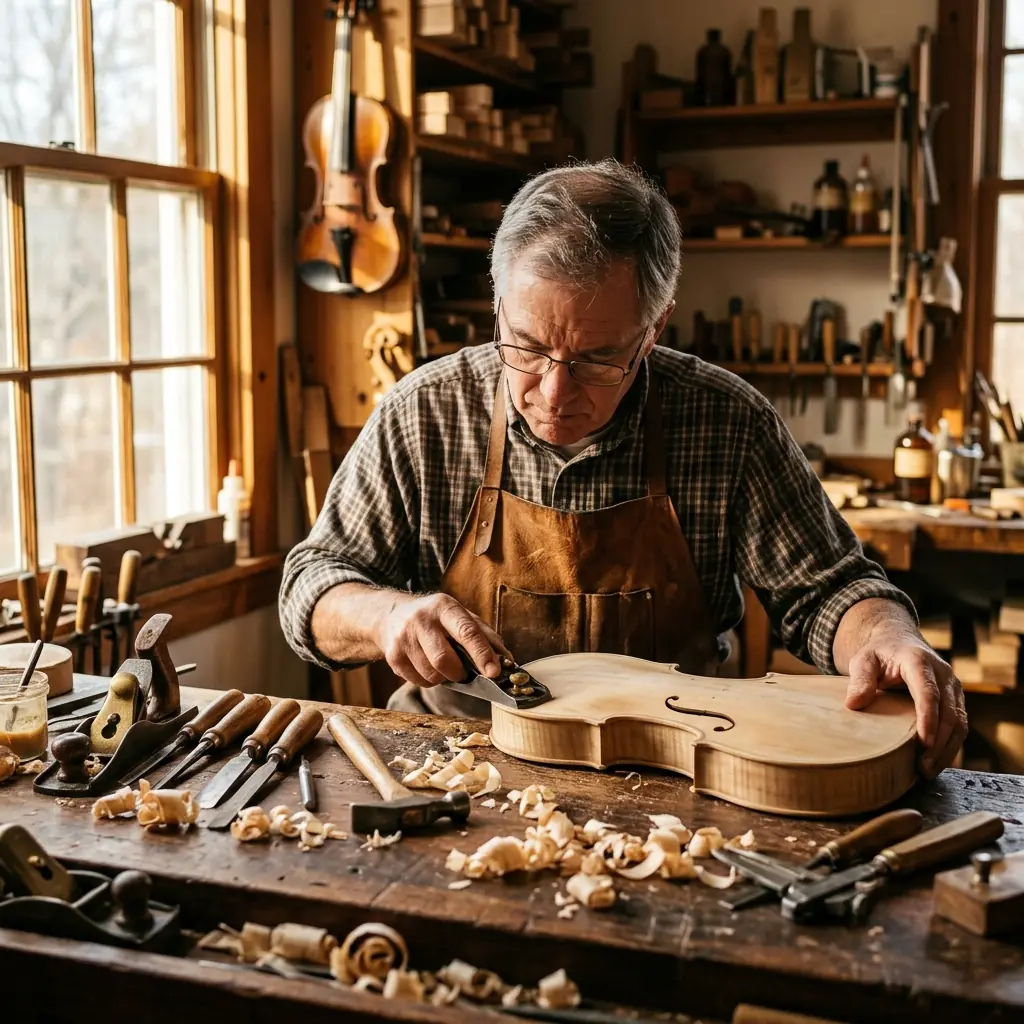
Throughout music history, the bond between a performer and their instrument has always been considered sacred. Yet behind this bond lies a hidden hero who breathes soul into that instrument: the Luthier (Instrument Maker).
Who is a Luthier and What is Lutherie?
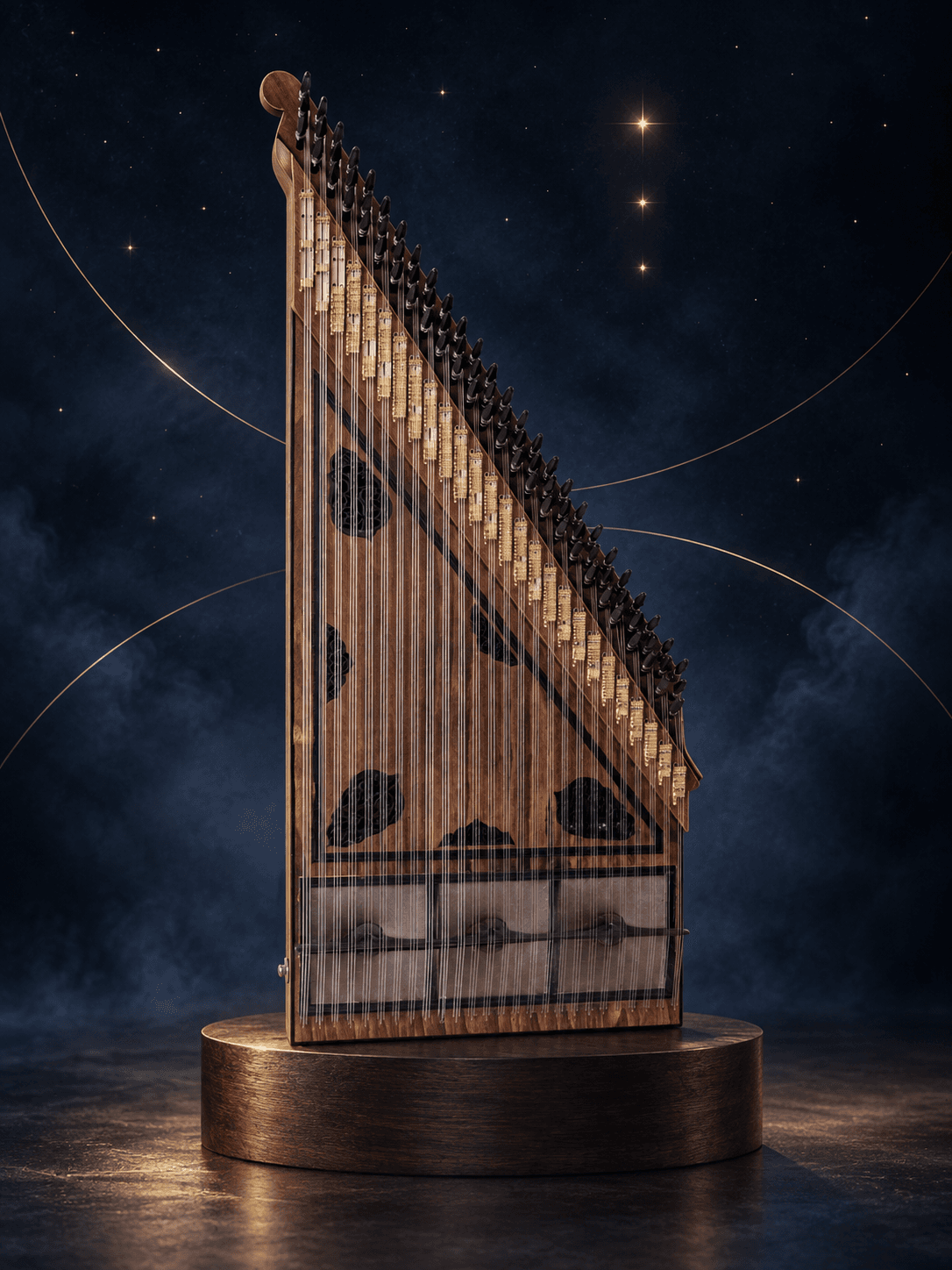
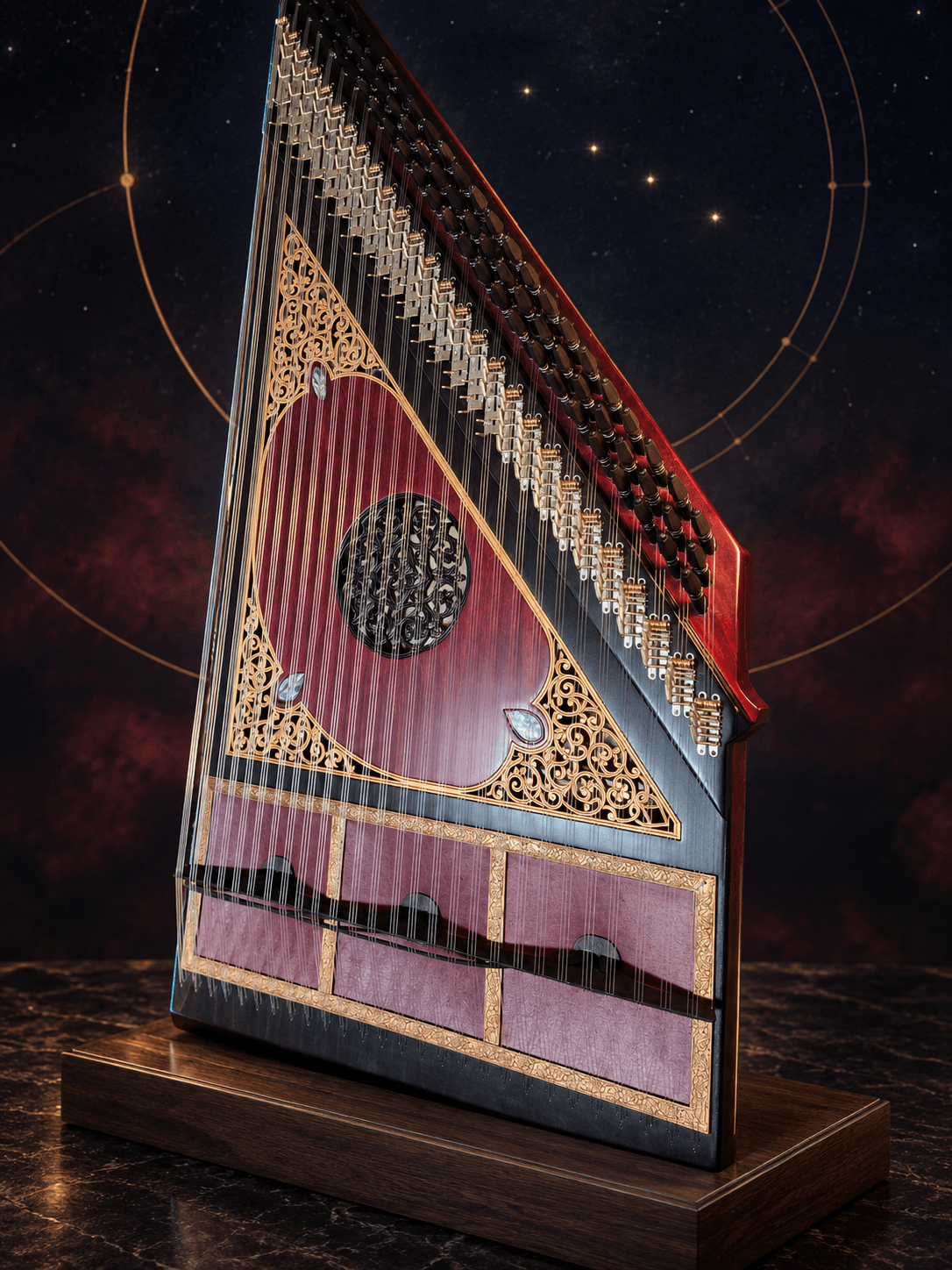
Derived from the French word "Luth" (lute), Lutherie is the craft of making, maintaining, and restoring stringed instruments such as violins, guitars, ouds, qanuns, and mandolins. However, lutherie is not mere carpentry or woodworking. A luthier is an artist who speaks the language of wood, controls the physical behavior of sound waves, and merges aesthetic vision with acoustic science.
"There is a sleeping voice inside every tree. The luthier's task is to awaken and release that voice through correct cuts and precise craftsmanship."
Tonewood Selection: Determining the Character of Sound
The quality of an instrument is directly related to the species, age, and drying process of the wood used. These special timbers, which luthiers call "Tonewoods," possess unique acoustic properties:
- Maple (Kelebek): Highly preferred for violin backs, oud bowls, and qanun frames due to its hard structure and bright resonance.
- Spruce (Ladin): Indispensable for the soundboards of instruments due to its flexible structure and high sound transmission speed. It ensures clear, crisp high frequencies.
- Walnut (Ceviz) & Rosewood (Pelesenk): Used in oud bowls and necks to obtain deep, warm, and full bass tones.
It is critical that the wood has been dried naturally by air in natural environments for at least 5 to 10 years, without kiln-drying. Naturally dried wood cells slowly lose their moisture, crystallize, and gain a stable structure that perfectly transmits sound vibrations.
The Apprentice-Master Tradition and the Value of Handcraft
Today, thousands of instruments can be factory-produced in minutes. However, no factory-made instrument can match the dynamic range, sound depth, and lifespan of a luthier-crafted instrument. In handmade instrument production:
- Every millimeter of wood is carved by hand by the luthier, and its flexibility is constantly tested with fingertips.
- The internal acoustic bracing system (balkon) is custom-tailored to the specific natural hardness of each piece of wood.
- Natural finishes used (such as shellac / French polish) do not clog the pores, allowing the wood to breathe and the sound to grow richer over time.
Izmir: The Hub of Lutherie and Instrument Making in Turkey
When it comes to instrument making in Turkey, **Izmir** and the **Aegean Region** stand out as the primary hubs. The microclimate of the Aegean offers an ideal ambient environment for storing and drying tonewoods at optimum humidity. In our Izmir workshop, we combine traditional craftsmanship with modern acoustic engineering alongside conservatory-educated young makers. If you wish to witness the making of a handmade instrument, you are always welcome to visit our workshop in Izmir.