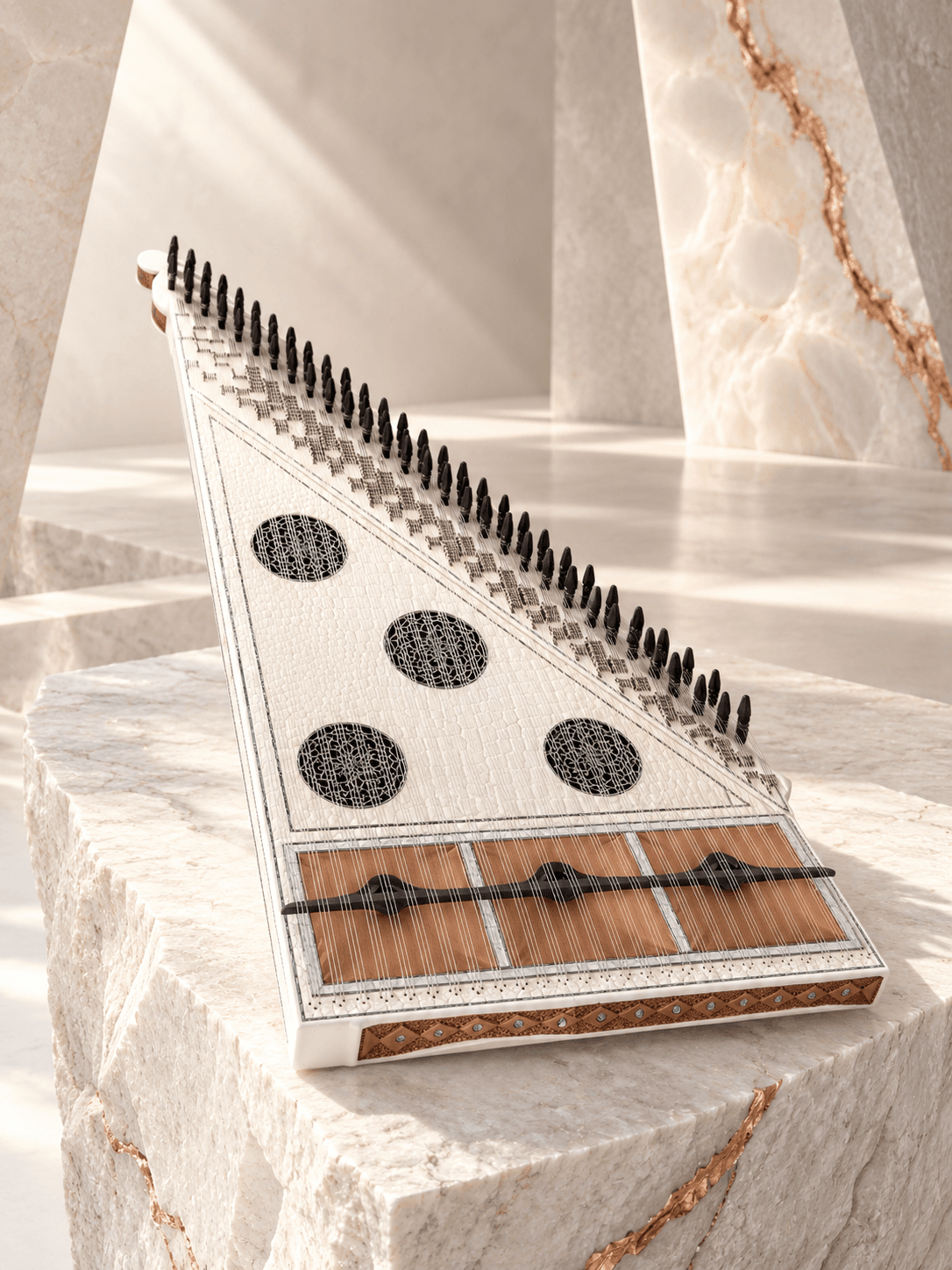
Drying Methods of Tonewoods: Kiln Drying vs. Natural Aging
How does the drying method of wood determine the life and timbre of sound in instrument making? The differences between natural aging and kiln drying.
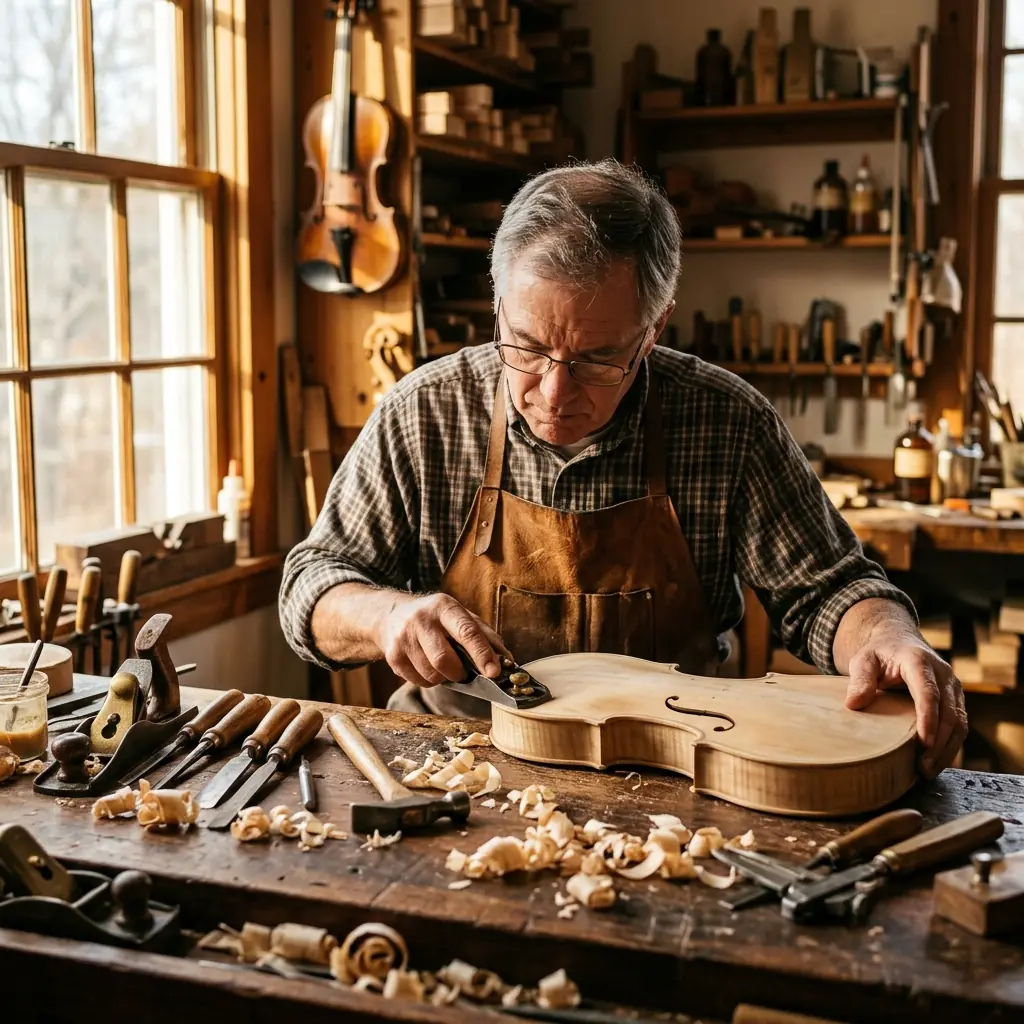
The most precious treasure in a luthier's workshop is not gold or silver, but the naturally aged tonewoods waiting silently in the corner. The way wood is dried directly determines both the acoustic capability and the physical lifespan of an instrument.
What is Kiln Drying?
To produce mass-market instruments in industrial factories, wood is dried rapidly in artificial heating chambers (kilns) in a matter of weeks. Although this method quickly drops the moisture content, it damages the natural fiber structure of the wood. The rapidly dried cell walls shrink, making the wood highly prone to cracking or warping under string tension. Most importantly, kiln-dried woods lack acoustic depth, sustain, and warmth.
Natural Seasoning: The Sound of Patience
In traditional lutherie, wood is left to dry naturally in temperature- and humidity-controlled storehouses away from direct sunlight, at an average rate of 1 year per 1 cm of thickness. During this slow process:
- Sap and moisture evaporate from the wood cells in a completely homogeneous way.
- The fiber structure settles without stress, gaining a highly stable and flexible crystallized form.
- Naturally seasoned woods do not warp under the tremendous tension of the strings and retain their sound quality for centuries.
At our Aydin Tutak workshop, all spruce, sycamore, walnut, and beech woods we use are tonewoods that have been naturally aged for at least 7 to 10 years in our controlled Izmir facilities.